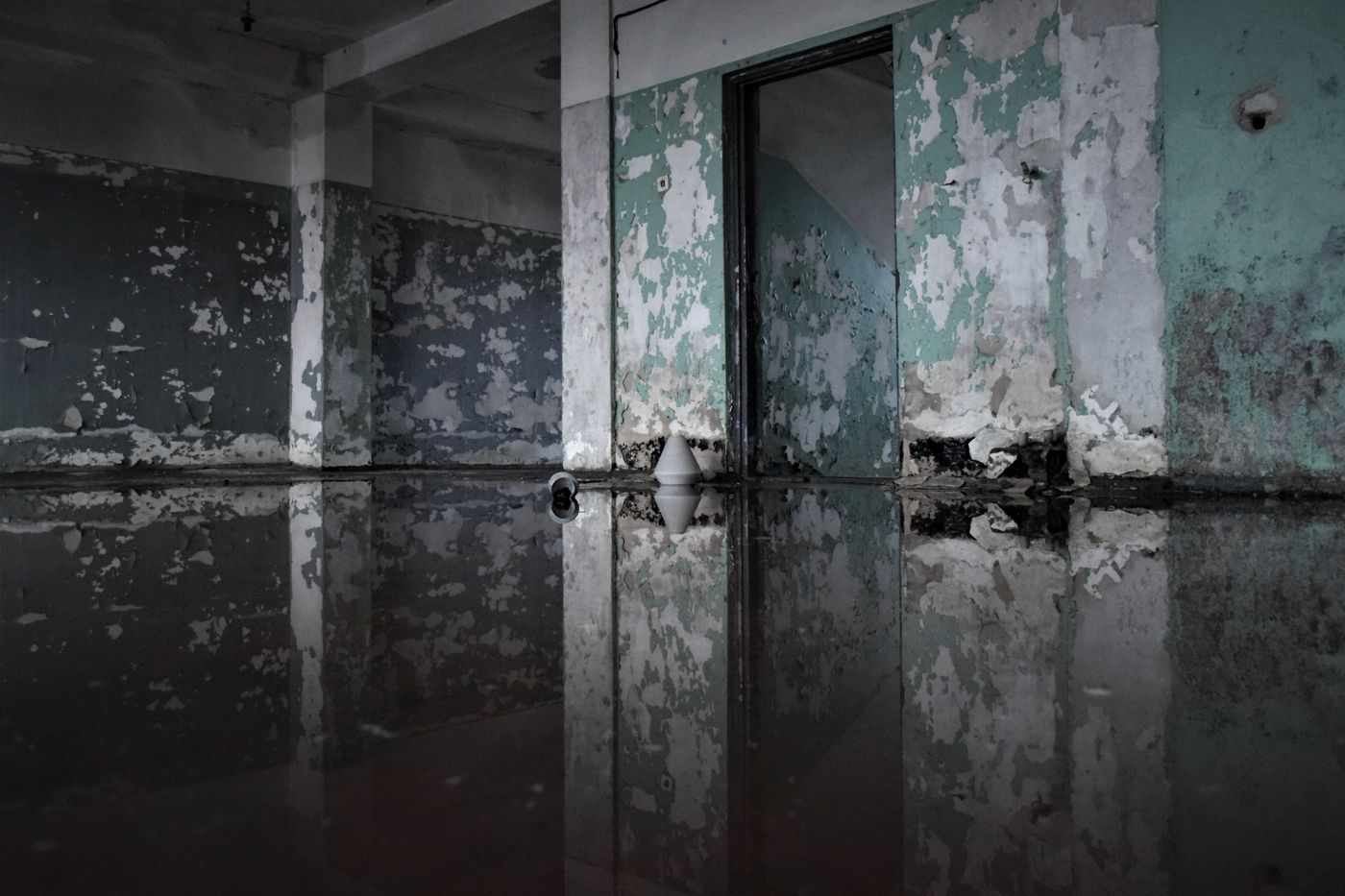
Do not enter standing water if electrical equipment may be affected
Keep away from electrical panels, outlets, furnaces and other equipment in or near the water. Do not touch equipment to test whether it is live. Ask the appropriate utility or emergency professional how to make the area safe.
Consider contamination and structural risks
Floodwater may contain sewage, chemicals or debris. Damaged stairs, walls or stored items can also be hazards. Keep people and pets out until the area has been assessed as safe.
Identify possible sources from a safe location
Note recent storms, visible exterior water, plumbing failures or sump-pump issues. Do not put yourself in danger to find the source.
Document what you can see safely
Take photos from a safe vantage point and write down when you noticed the water. Keep receipts and notes for discussions with your insurer or service providers.
Ask whether cleanup includes the underlying issue
Water removal, drying, drain repairs, plumbing work and exterior drainage are not necessarily the same service. Ask what each estimate includes and whether separate specialists may be required.
Flood safety resource
Ready.gov has general flood safety and preparedness information. Follow local emergency instructions where they apply. Read Ready.gov guidance.